Multi-Agent AI Platform Features I Should Look for in Reporting Software
In the rapidly evolving landscape of digital marketing, agencies are constantly seeking smarter ways to analyze data, generate insights, and present results to clients. Artificial Intelligence (AI) technology is proving to be a game-changer in this area — but not just any AI. The rise of multi-agent AI platforms is transforming reporting software by enabling diverse "agents" to collaborate seamlessly, handle distinct roles, and deliver holistic marketing reports with efficiency and accuracy.
In this article, we'll break down what multi-agent AI means in plain English, look at the key features marketing teams should prioritize when choosing reporting software, and explore why tools like Reportz.io, Suprmind, and insights from CPA spike alert IBM Technology (YouTube) set important benchmarks for modern marketing reporting integrations. We will also touch on critical data sources like Google Analytics 4 (GA4) and Google Search Console (GSC) to emphasize practical workflows.
What is Multi-Agent AI? A Plain English Explanation
Imagine an office where multiple experts each handle a specialized task — one analyzes traffic data, another writes compelling reports, while a third optimizes dashboard visuals. Instead of just one AI trying to do everything, multi-agent AI platforms deploy multiple intelligent "agents," each programmed or trained to handle a specific function. These agents coordinate their efforts, sharing data and leveraging their unique strengths to perform complex jobs better as a team.
In other words, multi-agent AI is like an orchestra — individual instruments (agents) play different parts, guided by a conductor (the orchestrator) to create harmony (insightful, actionable marketing reports).

Orchestrator and Role-Based Agents
At the heart of a multi-agent AI platform is an orchestrator. This component manages communication, task delegation, and prioritization among different role-based agents. For instance, in marketing reporting software, you might find:
- Data Collection Agents: Connect with platforms like GA4, GSC, and Google Ads to fetch raw data.
- Data Cleaning and Validation Agents: Sanity-check collected data, ensuring date ranges and time zones match client expectations — a critical step often overlooked.
- Analysis Agents: Perform trend detection, anomaly identification, and attribution modeling.
- Visualization Agents: Build white-label dashboards with easy-to-understand charts and tables.
- Review Agents: Facilitate the review loop by generating draft reports with source links to original data — because no one likes mystery numbers.
This modular approach reduces errors, improves transparency, and allows each AI component to be optimized over time without disrupting the entire system.
Single-Agent vs Multi-Agent AI: Tradeoffs for Agencies
Many early AI tools in reporting were single-agent systems — one algorithm or model tasked with everything from data fetching to report generation. But agencies face unique challenges that multi-agent AI addresses better:
Factor Single-Agent AI Multi-Agent AI Scalability Limited; one agent handles all tasks, risking overload. Highly scalable; workload distributed among specialized agents. Flexibility Monolithic; adapting means retraining the whole system. Modular; individual agents can be updated or swapped out. Transparency Opaque; hard to trace errors or questionable numbers. Traceable; review agents provide audit trails and source links. Customizability Limited to predefined workflows. Easily customizable for role-based tasks and client needs. Collaboration Minimal support for human-in-the-loop review. Integrates review loops, ensuring human oversight before publishing.Given these tradeoffs, agencies with multi-client portfolios benefit greatly from multi-agent AI platforms that support multiple integrations and review loops, ultimately improving report accuracy and client trust.
Marketing Reporting as the Best-Fit Use Case for Multi-Agent AI
Marketing teams generate vast amounts of data across channels like paid search, organic SEO, social media, and email campaigns. To make sense of this, reporting software must integrate data from various sources, validate numbers, apply analytical models, and create white-label dashboards that clients understand and appreciate.
Multi-agent AI fits this use case perfectly:
- Complex Integrations: Handling data from GA4, GSC, Google Ads, Meta Ads, and more demands specialized agents for each API, maintaining synchronization and consistency.
- Data Quality Assurance: Role-based data validation agents help avoid annoying issues like mismatched date ranges or misaligned time zones.
- Review Loop Support: Generating draft reports with transparent source links allows account managers to QA before client delivery, eliminating “mystery numbers.”
- White-Label Dashboard Customization: Visualization agents enable agencies to create branded dashboards that match client expectations and maintain a professional look without sacrificing accuracy.
Tools like Reportz.io exemplify this approach by offering seamless integrations with GA4 and GSC and emphasizing custom report building with a client-friendly interface. Similarly, Suprmind leverages AI agents specialized in marketing data analysis to enhance personalization and automate tactical recommendations.
How Industry Leaders Are Pushing Multi-Agent AI in Analytics
Companies like IBM Technology have been pioneering multi-agent AI applications beyond just marketing into areas such as supply chain optimization, cybersecurity, and healthcare analytics. Their research underscores the importance of orchestrator-based AI systems for coordinating distributed intelligent agents effectively — a principle that marketing agencies can adopt to revolutionize reporting workflows.
Key Multi-Agent AI Features to Prioritize in Reporting Software
Considering the above, here are must-have features to look for in multi-agent AI marketing reporting software:
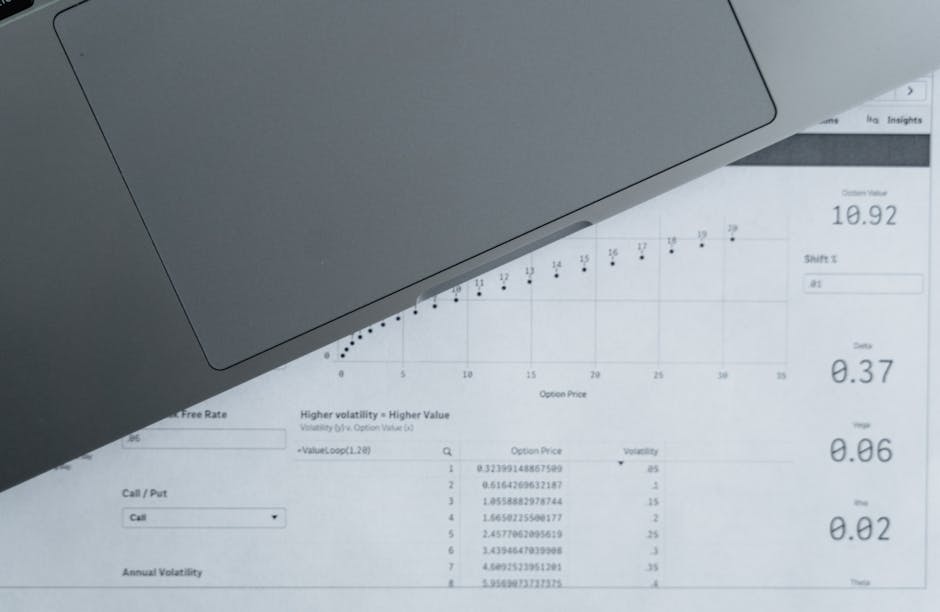
- Robust Integration Ecosystem: Look for deep API connections with GA4, GSC, Google Ads, Meta platforms, and any niche tools your agency uses. Each integration should be managed by dedicated agents to keep data flows reliable.
- Data Validation & QA Agents: Essential for automatically catching inconsistencies such as overlapping date ranges, missing data points, or timezone mismatches before data reaches reports.
- Role-Based Agent Orchestration: The platform should clearly separate duties between data collection, processing, analysis, and visualization agents—managed by a smart orchestrator to ensure smooth sequencing.
- Review Loop & Human Approval Workflow: AI should assist account managers by drafting reports with embedded source links and annotations, enabling quick sanity checks and corrections prior to client delivery.
- White-Label Dashboard Customization: Agents specialized in visualization should enable agencies to fully brand dashboards, tailor data views for client preferences, and support interactive report features.
- Audit & Transparency Tools: Detailed logs and accessible data lineage help agencies respond confidently to client questions about report figures and avoid “mystery number” scenarios.
- Scalability & Modular Agent Updates: The software should allow easy addition or replacement of agents as new data sources emerge or reporting needs evolve.
Final Thoughts
The future of marketing reporting lies in multi-agent AI platforms that fuse modular intelligence with seamless integrations and rigorous quality control. Agencies seeking to elevate their reporting workflows should embrace platforms built around role-based intelligent agents managed by orchestrators, supported by thorough review loops and customizable, white-label dashboards.
Whether you are evaluating tools like Reportz.io for its integration-friendly design, exploring Suprmind’s AI-driven analysis agents, or taking inspiration from IBM Technology to build your own multi-agent ecosystem internally, following the guidelines above will help you avoid common pitfalls and deliver client reports that are not just pretty but rigorously accurate and transparent.
Remember: Always start your reporting workflows by sanity-checking date ranges and time https://highstylife.com/anomaly-detection-ideas-for-agency-client-dashboards/ zones, insist on having source links for every key metric, and never skip the human approval step. Multi-agent AI makes this easier, safer, and scalable — the difference between dashboards that just look good and those that drive agency success.