What Does “Register” Mean in Translation, and Why Should Creators Care?
A translated video can be accurate and still feel wrong. The words may be correct, the audio may be clear, and the timing may even line up with the original. But if a creator who sounds warm and conversational in English comes across as stiff, distant, or oddly formal in another language, viewers may not feel that they are hearing the same person.
That gap often comes down to register: the level and style of language used in a particular situation. Register includes choices such as formal versus informal address, vocabulary, sentence structure, humor, and how directly someone speaks. For creators, it is not a small translation detail. It shapes tone, trust, and audience intimacy.
That matters when considering another-language version of a YouTube channel. An international audience can be an opportunity, especially when a creator’s topic has demand beyond English-speaking markets. But a translated or dubbed video is not automatically a growth strategy. It is a new audience experience, and it needs to work on its own terms.
What “register” means in translation
In translation, register is the way language signals the relationship between the speaker, the audience, and the situation. A host might address a viewer like a friend, speak like a teacher, deliver a polished documentary narration, or use specialist terminology with an expert audience. Those are different registers, even if they communicate similar information.
Register is not simply a choice between “formal” and “informal.” It can vary along several dimensions:

- Formality: Does the speaker use formal or informal address? Do they sound professional, casual, or somewhere between?
- Audience relationship: Does the host sound like a peer, coach, authority, entertainer, or service provider?
- Vocabulary: Is the language everyday and accessible, or technical and specialized?
- Emotional tone: Is the delivery reassuring, playful, urgent, skeptical, or restrained?
- Directness: Does the speaker make blunt statements, soften requests, or rely on implication?
Languages do not map these choices neatly onto one another. Some make distinctions in formal and informal address that English does not mark in the same way. A line that feels friendly in English may require a deliberate choice in another language: Should the dubbed host speak to viewers in a familiar way or maintain more social distance? The best answer depends on the creator’s persona, the audience, and the conventions of the language and niche.
That is why register is more than swapping words. A translation can preserve the basic meaning and still change how a viewer interprets the speaker.
Why creators should care about tone mismatch
Viewers often recognize a mismatch before they can name it. The translated voice may sound too formal for a casual cooking channel, too playful for a serious health explainer, or too sales-oriented for a creator known for candid reviews. The result is a tone mismatch: the language, voice, or delivery does not fit the relationship the creator has built with viewers.
For personality-led channels, that relationship is part of the product. People may return not just for the subject matter, but for the host’s timing, humor, warmth, opinions, or sense of familiarity. A translation that strips those qualities away can weaken audience intimacy, even when every key point is present.
Formal versus informal address is one visible example. A creator who speaks to their English audience like a friend may sound distant if the translated version consistently uses a more formal mode of address. The opposite can also misfire: an overly familiar version may feel presumptuous in a context where viewers expect more distance. There is no universal “make it casual” rule. The target is a natural relationship for that creator and that audience.
This is also where creators should be careful with claims about performance. A translated video’s view count alone will not tell you whether the register worked. Look at the retention graph. Do viewers leave early, drop off around jokes or explanations, or stay through the same sections as the original audience? Compare retention and watch time with appropriate context, including traffic source, video length, and the size and familiarity of the audience. Those signals are more useful for diagnosing whether the viewing experience holds together.
The international opportunity—and the English competition
Publishing in additional languages can help a channel reach people who would not otherwise watch its English videos. That opportunity varies by topic. A visual tutorial, product demonstration, or practical explainer may travel more easily than a channel whose appeal depends on wordplay, local references, or a highly distinctive conversational style.
There is also competition in every language. A creator is not entering an empty market simply because they have translated their catalog. They are asking viewers to choose their video among local creators, established channels, and other content already made for that audience. A translated version needs to feel clear, relevant, and credible—not merely available.
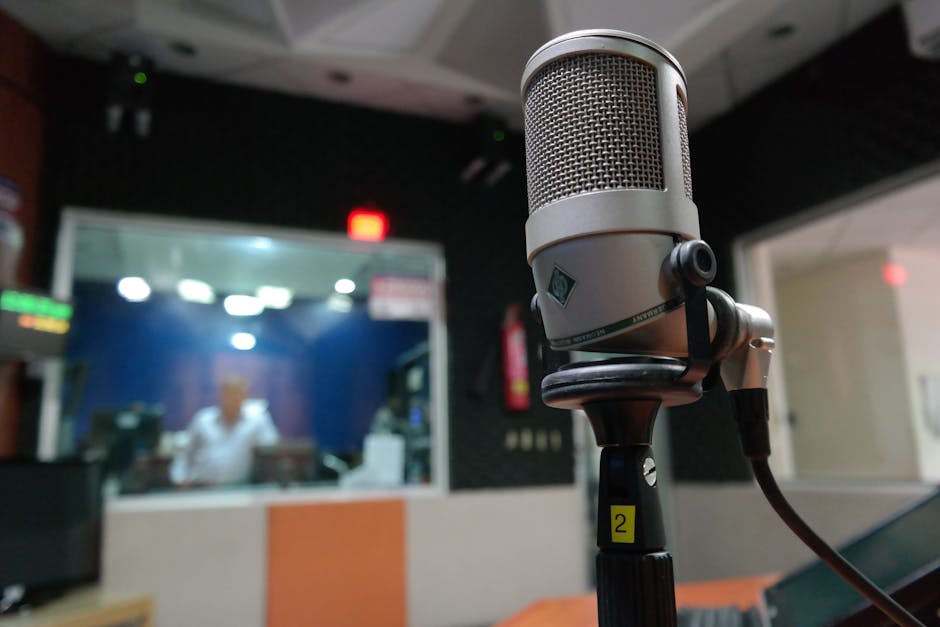
For YouTube channel strategy, that means treating each language as an audience decision, not just a production setting. Consider whether there is a plausible audience for the subject, whether the format travels, and whether the channel can maintain quality in that language. Then test deliberately. A small, well-chosen set of videos can reveal more than dubbing an entire back catalog without a plan.
Do not assume that adding dubbed audio will automatically improve discovery or channel growth. Packaging, topic, audience fit, and the actual viewing experience still matter. The useful question is not “Did the translated upload get views?” but “Did the intended audience find it, understand it, and keep watching?”
When AI dubbing fits—and when it needs extra care
AI dubbing workflows have matured. Tools such as ElevenLabs Dubbing Studio can help creators build translated audio versions more efficiently than a fully manual process. Depending on the workflow and source material, creators may be able to work with translated speech, manage speakers, and review or adjust the resulting audio. Features and capabilities change, so check the current tool documentation before planning a production around a specific function.
Efficiency is useful, but it does not make register decisions on the creator’s behalf. Nor does a technically intelligible dub guarantee convincing prosody—the rhythm, stress, phrasing, and intonation that help speech sound natural and carry emotion. A sentence can be pronounced clearly and still have awkward emphasis, unnatural pauses, or the wrong emotional shape.
AI dubbing is often a better starting point for content where information carries most of the value: how-to videos, straightforward tutorials, product walkthroughs, or structured explainers. These formats still need review, but the message may depend less on the exact personality of every line.
Personality-led content calls for closer scrutiny. Comedy, unscripted reactions, intimate storytelling, conversational interviews, and opinion-heavy videos can rely on timing and social cues that are difficult to reproduce. A joke may need adaptation rather than literal translation. A brief pause may be part of the host’s character. A voice that sounds technically smooth but emotionally generic can make the creator feel less recognizable.
That does not mean AI dubbing cannot work for personality-led channels. It means the review standard should be higher, and the production team should be ready to revise or reject a take that does not preserve the intended relationship.
Predictable failure modes to check
Many dubbing problems are not mysterious. They show up repeatedly, and a review process can catch them before publication.
- Wrong form of address: The translation is consistently too formal or too familiar for the channel’s persona and audience.
- Literal phrasing: Idioms, jokes, or conversational expressions are carried over word for word and sound unnatural.
- Prosody that misses the point: Emphasis lands on the wrong word, pauses feel mechanical, or excitement and reassurance sound flat.
- Timing pressure: The translated line is longer than the available speech window, producing rushed delivery or awkward editing.
- Terminology drift: A product name, recurring phrase, or technical term changes from one video to another.
- Voice and speaker confusion: Different speakers become hard to distinguish, or the dubbed voice does not suit the person’s on-screen role.
- Context loss: A translated line makes sense by itself but no longer matches the gesture, visual, or example on screen.
- Over-polishing: Natural hesitations, warmth, or spontaneity are removed until the host sounds like a generic narrator.
Some errors are easy to spot emailtr.influencermarketinghub in a script; others only become obvious when you listen while watching the video. Review the audio in context, not just as a transcript or isolated voice track. If the niche involves health, finance, legal topics, safety, or another sensitive area, a qualified native speaker should check both the language and the relevant meaning. Fluency alone is not enough to verify technical accuracy or audience-appropriate phrasing.
A practical review workflow for creators
A useful workflow gives register attention before and after audio generation. It does not treat “translate” as a single button press.
- Define the audience relationship. Write down how the creator should come across: for example, “friendly and precise,” “curious peer,” or “calm expert.” Decide whether the target-language version should use formal or informal address.
- Choose a format-fit test. Start with videos that represent the channel and are likely to travel. Include a range only if you have the capacity to review each one carefully.
- Prepare the source. Provide accurate transcripts, speaker labels, names, terminology, and context for jokes or references. Flag lines where tone matters more than literal wording.
- Generate and edit the dub. Use a tool such as ElevenLabs Dubbing Studio as part of the workflow, then inspect translated wording, speaker consistency, timing, and delivery. Do not assume the first output is publication-ready.
- Get a native-speaker review. Ask a fluent reviewer who understands the channel’s intended audience to assess naturalness, register, and any niche-specific risks. Give them the video, not only the audio.
- Check permissions and consent. Confirm that the creator and any guests have agreed to the use of their voice and to the relevant dubbing or voice-replication process. A guest appearing in a video is not, by itself, proof of consent to every later use of their voice.
- Publish as a measured test. Track audience response by language and format. Review the retention graph alongside watch time, viewer feedback, and returning-viewer patterns where the data is available.
For YouTube, the channel setup and publishing plan should make the language experience clear to viewers. Think through how translated audio, titles, descriptions, and versions fit the channel’s organization and audience expectations. Keep a record of terminology and register decisions so that a successful approach can be repeated rather than reinvented for every upload.
What to measure after publishing
Performance data cannot tell you exactly why a line felt unnatural, but it can help identify where to investigate. Compare the dubbed version with relevant benchmarks rather than treating the English original as a perfect control. The audiences may differ in size, viewing habits, topic familiarity, and how they encountered the video.
Signal What it may help you investigate What it cannot prove on its own Early retention Whether the opening, voice, or framing is holding attention That register is the only cause of a drop Section-level retention changes Whether a specific explanation, joke, or transition may need review That viewers understood or disliked a particular line Comments and qualitative feedback Whether viewers mention naturalness, tone, or terminology How representative commenters are of the full audience Returning viewers and repeat performance Whether the language version is building a continuing audience That one successful video will predict the next oneUse those signals to make a specific next edit. If viewers leave during a dense explanation, check the translation and pacing. If comments say the voice sounds too formal, revisit address and phrasing with a native speaker. If a format retains viewers while another does not, that may tell you more about format fit than about the entire language market.
Register is part of the viewing experience
Register may sound like a specialist translation term, but creators already work with it every time they decide how to speak to their audience. Dubbing makes those decisions visible across languages. Formal versus informal address, tone mismatch, and audience intimacy can determine whether the translated version feels like the same channel or an imitation of it.
AI tools can help move a dubbing pipeline forward, and improving production workflows make multilingual publishing more practical. But creators still need a clear audience strategy, a native-speaker check where appropriate, careful attention to prosody, and explicit consent for the use of people’s voices. Most importantly, judge the experiment by the viewing experience—not by the existence of a translated track, and not by view count alone. Check what the retention graph did, then use the evidence to decide what to improve next.